The Making of the Modern Middle East
This course covers the history and complex relationships of nation states in the modern Middle East through the lens of the international legal framework. Studying the complicated situation which exists today in the region through an international law perspective assists the learner to gain important context and fact-based information and allows for the learners critical thought process to develop. 📖 What You’ll Learn
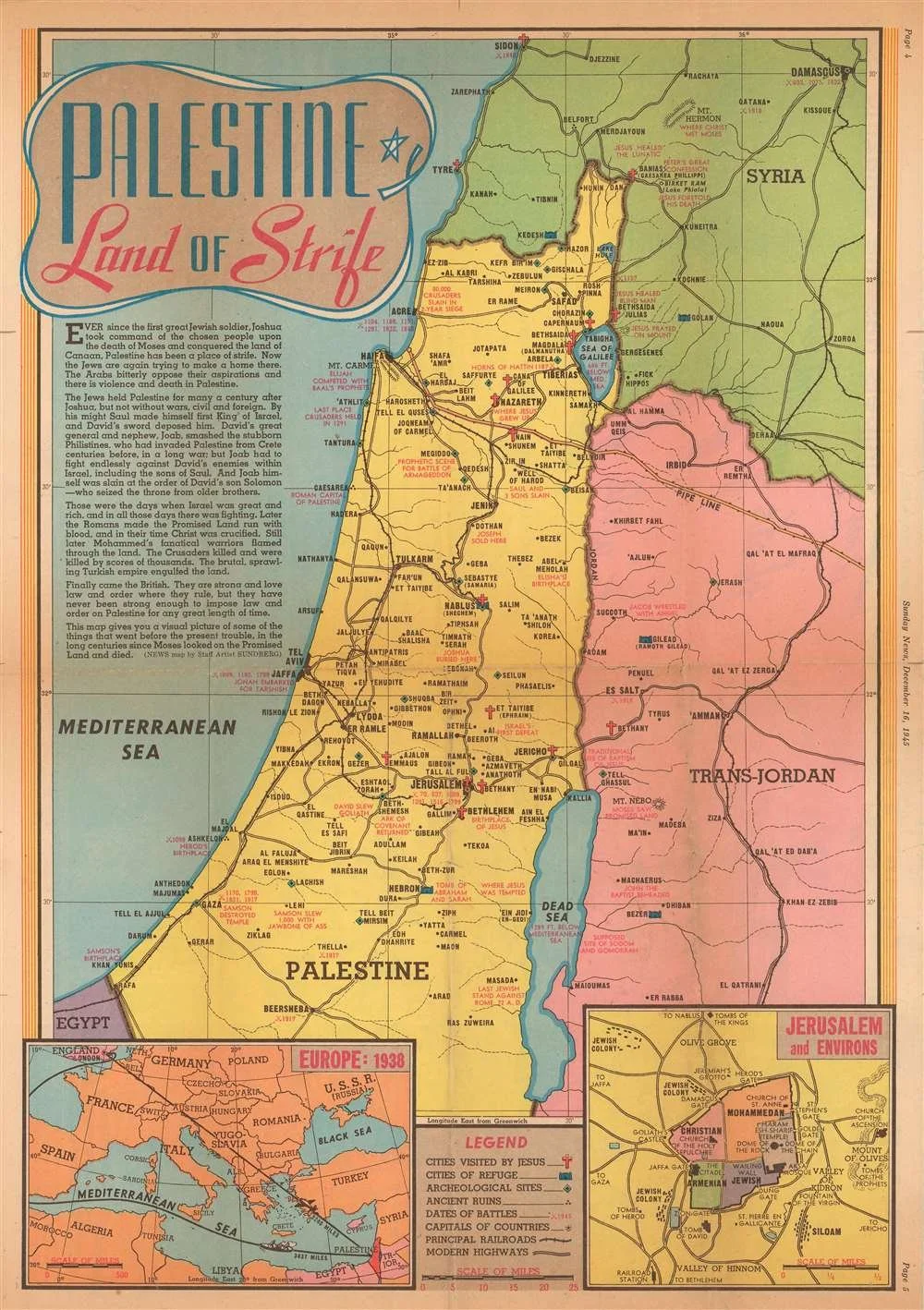
In week one learners are introduced to an overview of modern day history of the region from post WWII forward. This is the period in which the structure of international law which exists today was put into place and thus, this is where the course begins. There are two exceptions to this. The course will look at the 1917 Balfour declaration and the 1922 British Mandate for Palestine as these documents are essential to the understanding of what would develop in the region Post WWII. Week two will focus on States, borders and territory recognition. A deeper analysis of treaty agreements and UN Security Council resolutions allows learners to gain an understanding of the territorial claims and disputes that exist today in the region. During week three we will turn to dispute resolution, looking at the International Court of Justice and the body of decisions which have shaped the international legal framework existing today. Week four turns to the role of international law in the Middle East Process, focusing of the large body of treaties and conventions that have come out of decades of formal international negotiations between nations in conflict in the region. During week five we will focus on humanitarian law including the laws of war, the use of force, military occupation, the laws of the sea and the International Criminal Court. Finally week 6 will allow the class to look at the present day and most recent conflict, analyzing through all that has been covered in the previous five weeks to consider what has led us to the current situation and what roads are open for a future solution to this deeply divisive and painful conflict. Materials to be studied in class include: 1917 The Balfour Declaration; 1922 The British Mandate for Palestine; 1947 UN General Assembly Resolution 181; 1948 UN General Assembly Resolution 194(III); 1949 Egypt – Israel Armistice Agreement; 1967 UN Security Council Resolutions 242; 1974 Israel-Syria Agreement on Disengagement; 1975 Egypt-Israel Interim agreement; 1978 Camp David Agreement; 1979 Egypt-Israel Peace Agreement; Israel 1981 Golan Heights Law; Egypt-Israel Taba arbitration Compromise; 1993 Israel-PLO Declaration of Principles; 1994 Israel-Jordan Peace Treaty; 1995 Israel-PLO Interim Agreement (without annexes); 2001 Clinton “Plan”; 2002 Arab League “Peace Initiative”; 2003 “Roadmap”; 2003 “Geneva Initiative”, The ICJ Advisory Opinion on the “Wall”.
FAQs and Important Information
*
FAQs and Important Information *
-
Online via Zoom - you will be given the Zoom link when you sign up for the course.
-
$90 per family for six weeks. You may have one student join, or multiple siblings may join or the entire family may join. All are welcome and important when discussing issues of human rights.
Payments can be made through Zelle, paypal, or sendwave. If you do not have one of these methods of payments, we can individually sort it out. Once you register for the class you will be invoiced and once payment is made, you will receive the login and page classroom information.
-
This class will run for six weeks for between 40 and 50 minutes each week. Schedule is as follows:
Tuesdays
2:00 - 2:50 PM PT / 5:00–5:50 PM ET
Dates:
March 3
March 10
March 17
March 24
March 31
April 7